
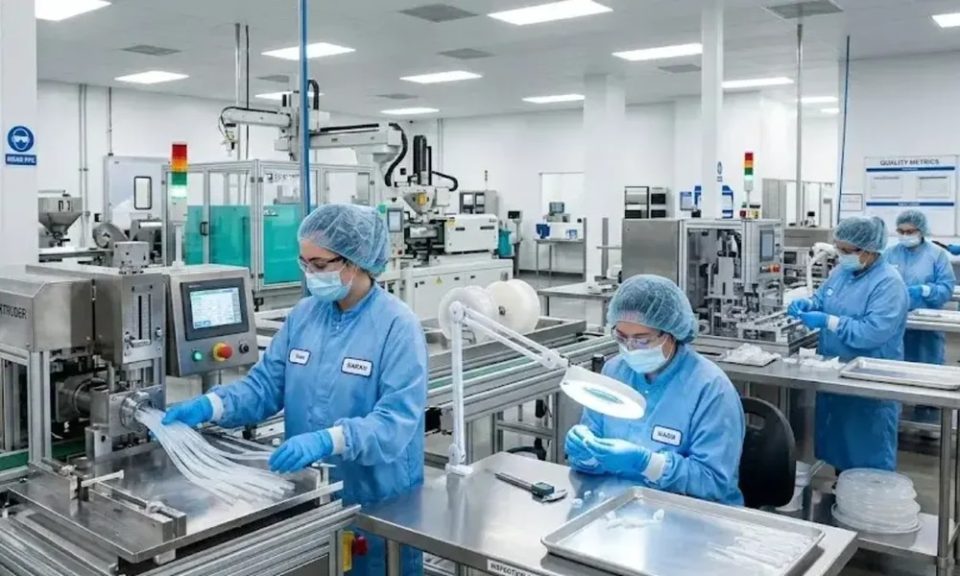
Production targets keep rising across industrial sectors. Small component choices often shape larger operational results. Custom silicone manufacturing helps facilities reduce fitment issues while improving equipment reliability. Material selection influences output quality, maintenance schedules, and assembly speed. In precision sealing applications, Liquid Silicone O-Ring solutions often provide dependable performance under challenging operating conditions.
How Do Custom Silicone Components Improve Factory Performance?
Equipment performs better when every part matches application needs. Generic pieces can create alignment concerns during assembly. Custom silicone products address exact dimensional requirements. Fewer fitting adjustments save valuable production time. When machinery operates with compatible components, maintenance intervals stretch further. Plant managers often notice smoother workflows after adopting purpose-built silicone parts.
Why Does Material Accuracy Matter So Much?
Tiny measurement variations can trigger larger operational setbacks. A seal positioned poorly may affect pressure control. Product quality can suffer when tolerances drift. Precision-molded silicone parts help maintain consistency throughout production cycles. In pharmaceutical facilities, accurate sealing protects sensitive processes. Automotive manufacturers value dimensional stability across repeated manufacturing runs.
Key Advantages Often Seen
- Better sealing under pressure
- Reduced replacement frequency
- Faster installation procedures
- Improved thermal resistance
- Strong chemical compatibility
Where Does Custom Production Create Measurable Gains?
Manufacturing efficiency depends on more than production speed. Equipment uptime carries equal importance during daily operations. A properly engineered Liquid Silicone O-Ring helps maintain stable sealing performance. Leakage risks decrease across automated systems. Food processing lines benefit from cleaner operating environments. Medical equipment manufacturers value dependable material behavior during repeated sterilization exposure.
Areas Receiving Direct Benefits
What Makes Silicone Suitable for Specialized Applications?
Environmental exposure varies between manufacturing sectors. Heat affects materials differently than chemical contact. Silicone maintains flexibility across changing conditions. Contrast matters when facilities compare replacement schedules. Standard materials may wear sooner under stress. Silicone compounds often retain functional properties through extended operating periods. Longer service intervals help protect production schedules.
Looking Beyond Component Costs
Purchase price reveals only part of the picture. Unexpected downtime often creates larger financial impacts. Production interruptions affect labor allocation and delivery commitments. Custom silicone solutions address operational realities rather than catalog limitations. A seal designed for specific pressure ranges can prevent recurring shutdowns. Those avoided disruptions often deliver value exceeding initial component savings.
Achieving Better Results Through Precision Engineering
Factories rarely lose efficiency through major failures alone. More often, repeated sealing issues create hidden operational costs. A pressure-sensitive packaging line illustrates this reality well. One properly engineered seal can preserve uptime, protect product quality, and keep delivery schedules intact. That outcome turns component selection into a manufacturing decision rather than a purchasing decision.
