
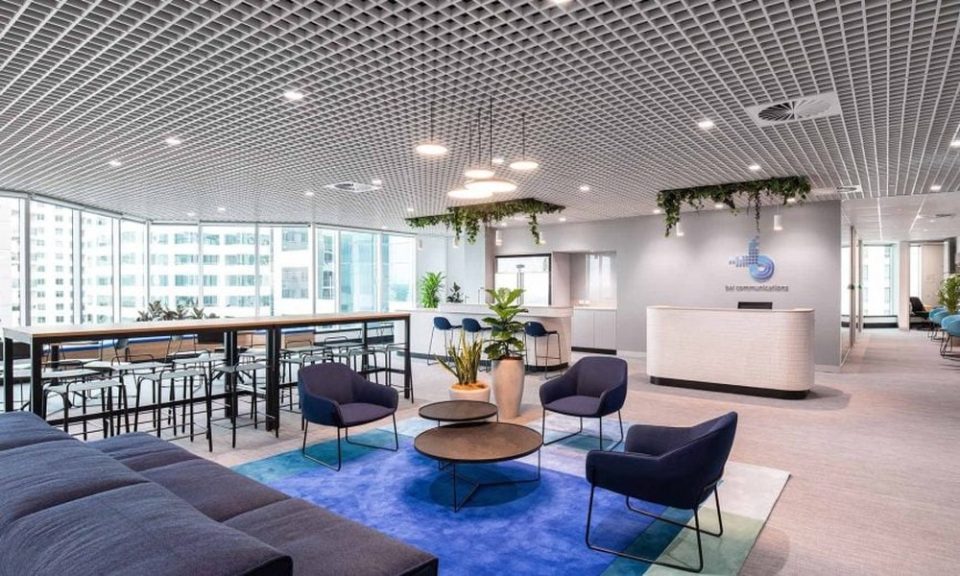
In a world where first impressions can shape the success of a business, architecture carries silent authority. The way an office energizes its occupants or a retail store welcomes its shoppers is never accidental. Behind every beautiful or efficient space, there is a constant negotiation between function and form.
What Defines Functionality and Aesthetics in Office and Retail Architecture?
Functionality is more than a buzzword. In offices, it means spaces that allow people to work efficiently, collaborate easily, and find comfort throughout the day. For retail, functionality encompasses smooth navigation, effective product placement, and a layout that encourages discovery and purchase. Aesthetics, on the other hand, is the art of making spaces visually appealing, emotionally resonant, and memorable. But true architectural success only comes when neither is sacrificed.
How Do Architects Balance User Needs with Visual Appeal?
Understanding what people need from a space is the first step. Architects must listen: Are office workers seeking quiet zones, or is collaboration king? Do shoppers crave an immersive brand journey, or do they want quick, practical access? Only after mapping these needs can design solutions be layered with appealing materials, colors, and spatial arrangements without compromising daily usability.
What Are the Key Functional Requirements for Offices vs. Retail Stores?
Offices require zones for focused work, flexible meeting spaces, and amenities that foster well-being. Retail settings prioritize clear sight lines, adaptable display areas, and accessible checkouts. The challenge lies in weaving these practical elements into visually cohesive environments.
How Does Building Layout Influence Both Efficiency and Customer Experience?
A well-conceived layout is the foundation of productivity and satisfaction.
What Spatial Planning Strategies Enhance Workflow in Offices?
Open plans encourage chance encounters and teamwork, while dedicated quiet areas reduce distractions. Circulation paths need to make sense, minimizing time spent navigating from one area to another. Even the position of communal kitchens or breakout zones can impact employee morale and output.
Which Layout Features Attract and Retain Customers in Retail Spaces?
Retail thrives on experience. Curved pathways invite exploration, while strategically placed focal points (like eye-catching displays or feature walls) guide visitors through the store. Logical zones , from entrance to checkout , maintain flow and gently nudge consumers toward a purchase.
What Materials and Finishes Best Support a Cohesive Look and Practical Use?
Selecting finishes is a balancing act. Beautiful materials must also withstand daily wear.
How to Choose Durable Yet Stylish Materials for High-Traffic Areas?
Think tile, luxury vinyl, or sealed concrete for entrances and corridors. In retail, robust shelving and scratch-resistant surfaces keep stores looking fresh. Offices benefit from acoustic panels that look sleek but absorb sound, preserving both form and function.
What Role Do Lighting and Color Play in Creating Ambience and Usability?
The right lighting transforms everything. Natural light fosters well-being in offices and highlights products in retail. Accent lighting brings warmth to meeting rooms or showcases luxury items. Color, too, is powerful: blues and greens soothe in office settings, while bold hues in retail can energize or focus attention where it counts.
How Can Technology Integration Improve Both Performance and Design?
Smart design means future-proof spaces that perform effortlessly.
What Smart Building Systems Enhance Functionality Without Compromising Aesthetic?
Integrated HVAC, touchless access, and dynamic lighting systems can fade into the background architecturally while maximizing comfort and energy efficiency. Invisible tech, like wireless charging built into surfaces or app-controlled room reservations, supports both a polished look and a seamless user experience.
How Does Digital Signage Blend Into Store Architecture for Impactful Branding?
Screens can be disruptive , or they can elevate brand storytelling. Thoughtful placement of digital signage (embedded into display walls or mirrors) can share information and entice customers, all without cluttering the space.
What Are the Sustainability Considerations in Designing Functional and Beautiful Spaces?
Eco-conscious design is no longer optional.
How Can Green Design Practices Benefit Offices and Retail Stores?
Energy-efficient systems, water-saving fixtures, and careful sourcing of local materials all reduce environmental footprint. Living walls or rooftop gardens can be both stunning and beneficial for air quality.
What Are Cost-Effective Eco-Friendly Solutions That Also Elevate Design?
LED lighting, recycled flooring, and daylight harvesting systems are affordable and effective. They lower utility costs while adding a modern, responsible aesthetic to any space.
How Do Regulatory Requirements Affect the Balance Between Functionality and Aesthetics?
Beauty cannot come at the expense of safety or accessibility.
What Accessibility Standards Must Be Met in Office and Retail Design?
Entrances, corridors, and restrooms must be barrier-free. Signage, lighting, and counter heights should be accessible to all. Universal design principles ensure that spaces are welcoming to everyone.
How Do Safety Codes Influence Material and Layout Choices?
Fire-rated materials, visible exit signage, and unobstructed pathways are non-negotiable. These constraints can be woven into the design so that they feel intentional rather than intrusive.
What Lessons Can Be Learned from Successful Office and Retail Architecture Projects?
There is no substitute for real-world results. Case studies show that seamless function and head-turning style can coexist.
How Has Stendel + Reich Implemented This Balance in Their Montreal and Toronto Projects?
Firms like Stendel + Reich architect have demonstrated how thoughtful planning, innovative materials, and technological integration result in spaces that feel both inspiring and effortlessly usable. Their work across offices and retail stores in Montreal and Toronto is a testament to the power of holistic design.
What Are Common Pitfalls and How Can Designers Avoid Them?
Neglecting user experience or over-focusing on visual trends can result in impractical spaces. The best architects revisit each decision through both a pragmatic and creative lens, anticipating how spaces will change and evolve over time.
How Will Future Trends Shape the Intersection of Functionality and Aesthetics?
The future belongs to flexible, adaptive spaces.
What Emerging Design Innovations Are Impacting Offices and Retail Stores?
Modular furniture, dynamic walls, and immersive digital experiences are reshaping expectations. Offices are doubling as event spaces. Retail stores are becoming community hubs rather than mere points-of-sale.
How Can Flexibility and Adaptability Be Designed Into Spaces for Long-Term Success?
Choosing movable walls, easily updated lighting, and technology that can evolve ensures longevity. This adaptability protects investment and keeps spaces relevant as needs shift.
Striking the right balance between functionality and aesthetics is never a one-time act. It is an ongoing dialogue between what people need and what inspires them , and the best architecture listens to both sides.
