
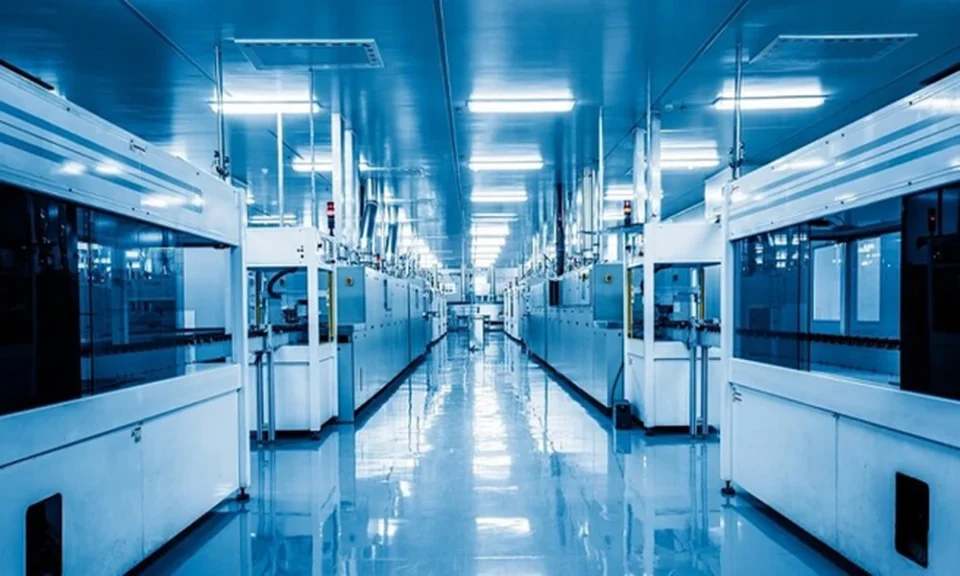
Manufacturing plants across Singapore run on tighter footprints and leaner headcounts than most regional peers, which pushes plant managers toward automation earlier in a product’s life cycle than they might elsewhere. A packaging line that relies on manual filling and capping burns through labor hours that could go toward higher-value tasks, and it introduces variability that quality control teams have to chase down line by line. AF Advantech works within this environment, supplying pail, drum, pallet, and liquid filling machines alongside capping systems to manufacturers who need equipment that fits both their production volumes and their physical space. The company’s position as a Singapore-based supplier matters less as a marketing point and more as a practical one: local sourcing shortens lead times for spare parts, simplifies servicing schedules, and gives plant engineers someone nearby to call when a line needs adjustment rather than a distributor several time zones away.
Automation Needs Across Singapore’s Manufacturing Sector
Singapore’s manufacturing base spans food and beverage, specialty chemicals, personal care, and industrial lubricants, and each of these sectors has pushed toward automated filling and capping for similar underlying reasons. Labor costs and workforce availability make manual filling lines expensive to staff across multiple shifts, particularly for repetitive tasks like positioning containers, triggering a fill cycle, and capping by hand. Regulatory expectations around fill accuracy and contamination control also favor automated systems, since a machine holds tolerances that a fatigued operator cannot maintain consistently across an eight-hour shift. Beyond these pressures, export-oriented manufacturers based in Singapore often need to match the throughput and consistency standards expected by buyers in larger markets, which means a filling line has to perform at a level that manual operations rarely sustain over a full production run. These combined pressures explain why automation conversations in local plants tend to start with filling and capping rather than further down the packaging line.
A Single Supplier for Multiple Filling Formats
Plants rarely fill only one container format over their operating life, and a line built around pails one year might need to accommodate jerry cans, drums, or pallet-scale output the next as product lines expand. Sourcing pail fillers from one vendor, drum systems from another, and capping machines from a third creates a maintenance headache, since spare parts, control interfaces, and service contracts end up scattered across suppliers who don’t coordinate with each other. Working with a supplier that carries a full range of filling and capping equipment under one roof lets a plant engineer standardize on similar control logic and mechanical components across machines, which cuts down on training time for operators moving between lines and simplifies the spare parts inventory a maintenance team has to hold on site. It also means that when a new product line calls for a different container format, the plant doesn’t need to open a fresh vendor relationship from scratch.
Matching Equipment to Local Factory Constraints
Industrial space in Singapore comes at a premium, and most manufacturing facilities operate within tighter floor plates than comparable plants in countries with more available land. This constraint shapes what automation options actually make sense on a given production floor. A rotary filling system with a large turntable footprint might offer excellent throughput on paper, but if it can’t fit into the available bay without reconfiguring the entire line, it isn’t a realistic option. In-line filling systems, which arrange filling heads along a straight conveyor path rather than around a rotating table, often suit Singapore facilities better because they can be sized incrementally and slotted into existing conveyor runs. Ceiling height, column spacing, and access for forklifts moving pallets in and out also factor into equipment selection in ways that don’t show up in a machine’s technical datasheet but matter enormously once installation begins.
Integration With Existing Production Lines
Few plants install a filling or capping machine in isolation. More often, the new equipment has to slot between an existing conveyor, an upstream mixing or blending tank, and a downstream labeling or palletizing station, all of which were specified at different times by different vendors. Getting a new pail filler or capping head to communicate cleanly with equipment already on the floor requires attention to signal protocols, conveyor speeds, and container handoff points that aren’t always documented well in older installations. Plant engineers evaluating automation suppliers should ask specifically how a proposed machine will interface with what’s already running, rather than treating the new equipment as a standalone purchase. A supplier familiar with mixed-vendor lines can usually flag integration issues before installation rather than after, which avoids the costly rework that comes from discovering a mismatch once the machine is already bolted to the floor.
Support and Serviceability After Installation
The value of an automation purchase shows up over years of operation, not on the day the machine is commissioned. Wear parts like seals, valves, and filling nozzles need periodic replacement, and control software occasionally needs recalibration as product formulations or container specifications shift. A supplier with local technical staff can respond to a line stoppage in hours rather than days, which matters considerably more than most buyers appreciate until they’ve experienced a multi-day wait for a part shipped internationally. Maintenance teams should also weigh how straightforward a machine is to service internally, since not every fault requires a vendor callout if operators receive proper training during commissioning. Asking about documentation quality, training scope, and typical response times for service requests during the evaluation phase saves considerable frustration later, once the equipment is running production and downtime carries a direct cost to the business.
Selecting an automation partner in Singapore ultimately comes down to matching equipment capability with the realities of the plant floor, from the space available to the range of container formats a business expects to run over the next several years. A supplier that understands local manufacturing conditions, carries a broad enough product range to grow with a plant’s needs, and backs its equipment with responsive local service tends to deliver more value over time than one offering marginally better specifications on paper. Plant managers weighing these decisions should treat the vendor relationship as a long-term one rather than a single transaction, since the machines purchased today will still be running production years from now, long after the initial installation is forgotten.
